An analysis of 28 people in Canada and the United States detected plastic polymers in all but one participant’s blood samples, adding to scrutiny of synthetic materials, fibre shedding and the wider plastics lifecycle.
TCF POST Special Report
Microplastics detected in human blood are adding a new dimension to the debate over synthetic materials, with potential implications for the textile, clothing and footwear industries as researchers call for more investigation into the health and environmental consequences of plastic pollution.
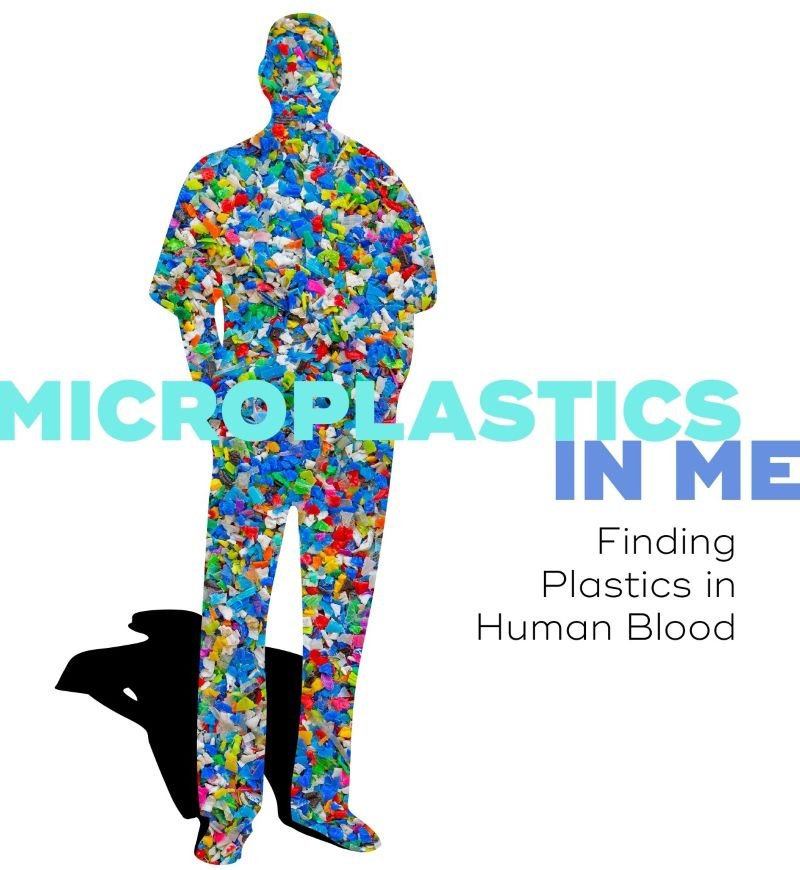
The October 2026 report Microplastics in Me: Finding Plastics in Human Blood, published by the Plastic Pollution Coalition, presents blood-testing results from 28 publicly identified individuals in Canada and the United States. The participants represented fields including art, entertainment, media, politics and public policy. Blood samples were collected over eight months in 2025 and 2026.
Researchers detected plastic in the blood samples of 27 participants using two analytical approaches. Eight types of plastic polymers were identified across the samples: acrylonitrile butadiene styrene (ABS), nylon 6, nylon 6,6, polyethylene (PE), polyethylene terephthalate (PET), polystyrene (PS), polyvinyl chloride (PVC) and styrene-butadiene rubber (SBR).
These polymers are used across a wide range of products, including textiles, clothing, footwear, packaging and industrial components. However, the study does not identify the source of the polymers detected in individual participants or establish that textile and footwear products caused their exposure.
Synthetic fibres put textile production under scrutiny
The report highlights the scale of synthetic material use in textiles. Citing earlier research, it states that approximately 60% of clothing and 70% of household textiles are made from synthetic materials that shed microplastic fibres, particularly during washing.
For textile manufacturers, fibre shedding brings material selection, fabric construction, product durability, garment care and wastewater management into sharper focus. Polyester, made from PET, is widely used in clothing, while nylon is found in garments, carpets and other textile applications.
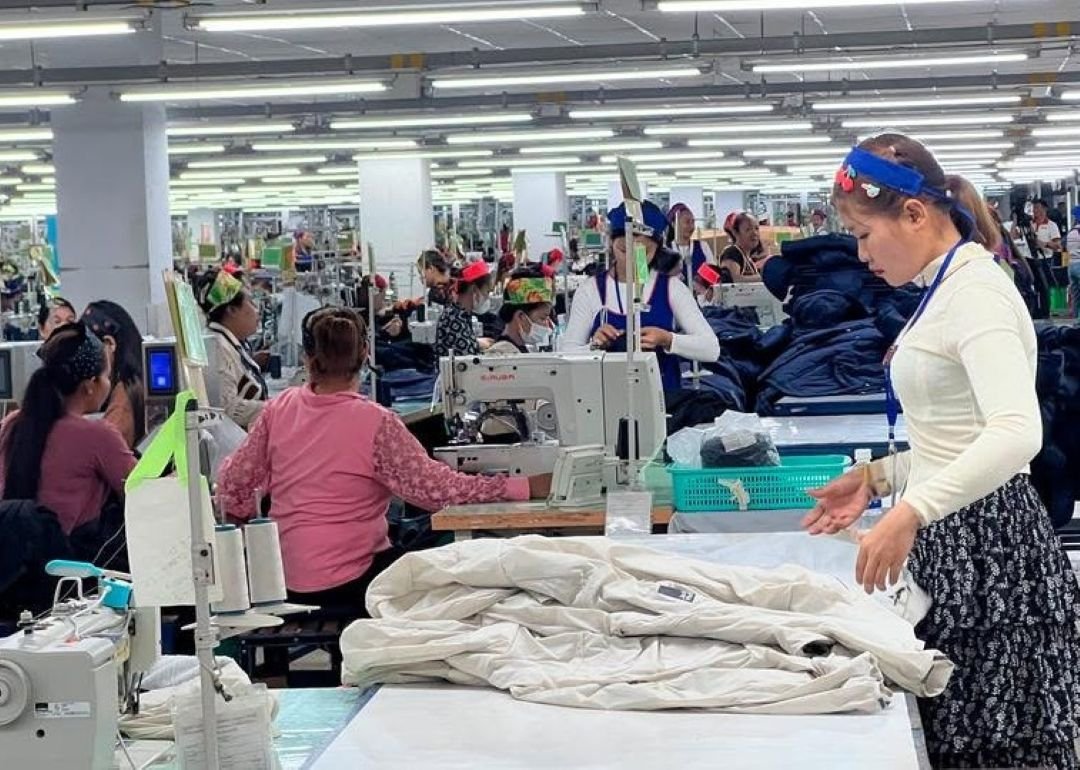
The challenge extends beyond the composition of a finished product. Fibres and plastic particles may be released during manufacturing, consumer use, laundering and disposal, contributing to environmental contamination. The extent of release varies with materials, product characteristics and use conditions.
The report therefore provides a reason for the industry to examine microfibre release across the product lifecycle, while recognising that the study did not measure emissions from specific garments or textile production processes.
Five implications for textile and clothing businesses
- Synthetic-fibre management: Polyester and nylon remain important materials in clothing, making fibre-release performance a relevant subject for further research.
- Laundering and product use: The report identifies washing as a significant context for synthetic-fibre shedding, highlighting the importance of investigating how fabric construction and care affect fibre release.
- Manufacturing controls: Wastewater treatment, production-waste management and monitoring can form part of a broader effort to limit plastic releases.
- Material innovation: Lower-shedding fibres, alternative materials and improved fabric construction merit evaluation through comparable, independent testing.
- Evidence-led sustainability claims: Brands and suppliers should distinguish measured reductions in fibre release from broader claims about environmental or human-health benefits.
These considerations are relevant to product development and sourcing, but the blood-testing study itself does not compare fibre types, quantify textile emissions or demonstrate that any particular clothing material creates a specific health risk.
Footwear brings rubber and polymer materials into focus
The findings also have relevance for footwear manufacturers. SBR, one of the polymers detected, is commonly used in footwear applications, tyres and other industrial rubber products.
Its presence in the analysed samples does not demonstrate that shoes were a source of the material found in participants’ blood. Nevertheless, it brings attention to the broad range of polymers used across the footwear value chain, including rubber compounds and synthetic components.
For footwear producers, the wider environmental question extends to material wear, manufacturing waste, product longevity and end-of-life management. Further research is needed to establish how different footwear materials contribute to environmental microplastic pollution and which interventions can reduce their release.
The report's broader implications also extend to manufacturers of accessories and other products containing synthetic textiles, plastics or rubber. Across the sector, credible progress will depend on identifying where releases occur and assessing interventions against measurable outcomes.
Five priorities across the footwear and wider TCF value chain
- Assess material performance: Investigate polymer release and material wear under realistic manufacturing and product-use conditions.
- Reduce production losses: Review controls for rubber compounds, synthetic fibres, offcuts and other plastic-containing production waste.
- Improve product durability: Consider how longer product life and responsible end-of-life management can support broader material-efficiency goals.
- Strengthen supplier evidence: Seek transparent information on material composition, testing methods and environmental performance.
- Support independent research: Collaborate with laboratories and research organisations to improve measurement and establish comparable evidence on plastic-particle release.
These priorities are practical areas for investigation rather than findings directly tested by the report. Their effectiveness will depend on material-specific evidence and the conditions in which products are manufactured, used and discarded.
What the blood analysis establishes — and what remains uncertain
The research used two analytical methods: pyrolysis-gas chromatography–mass spectrometry (Py-GC-MS) and flow cytometry. Py-GC-MS was used to identify and quantify selected plastic polymers, while flow cytometry counted particles but did not identify their polymer types.
The report describes the work as the first evidence of microplastics in the blood of a group of publicly identified individuals. Its results add to earlier research documenting plastic particles in human blood and other tissues.
However, the study involved only 28 participants and was not designed to determine whether exposure came from clothing, food, drinking water, indoor air, packaging or other sources. Detecting a polymer in blood does not, by itself, establish that it caused illness.
The report also acknowledges that methods for detecting and measuring microplastics in human samples are still evolving. It notes that there is no clinically standardised blood test that can determine whether an individual's microplastic level is normal, abnormal or harmful.
These limitations are important for manufacturers, retailers and consumers. The results should not be interpreted as proof that synthetic garments or footwear cause specific diseases, nor that switching to natural fibres automatically eliminates exposure. Different materials have different environmental trade-offs, and alternatives need to be assessed against evidence on performance, durability, production and end-of-life impacts.
A material challenge for the TCF industry
The report's wider message is that plastic pollution needs to be addressed across production, use, recycling and disposal. For the textile, clothing and footwear industries, this means treating fibre shedding and polymer release as subjects for measurable research, product development and environmental management.
The industry can strengthen its response by investigating fibre-release performance, improving wastewater and production-waste controls, assessing material durability and supporting independent testing. Brands can seek clearer evidence from suppliers about material composition and environmental performance while avoiding health claims that exceed the available science.
The transition towards lower-impact materials will require careful assessment of performance, durability, cost and end-of-life outcomes. Natural fibres, recycled synthetics and alternative polymers all have different environmental implications; none should be assumed to be universally superior without supporting evidence.
For the industry, the significance of Microplastics in Me is not that it proves clothing or footwear is contaminating human blood. Rather, it adds to the case for closer scrutiny of the plastics lifecycle and reinforces the need for better measurement, more rigorous research and verifiable reductions in environmental releases.